The Importance of Aluminum Spreading in High-Quality Manufacturing Techniques
Light weight aluminum spreading has become a cornerstone in premium production techniques. Its lightweight residential properties and phenomenal strength make it a recommended selection for different sectors. Makers profit from its style flexibility and minimal waste generation. As the need for sophisticated materials grows, recognizing the subtleties of light weight aluminum spreading comes to be crucial. This expedition discloses not only its advantages however likewise the developing innovations that shape its future in manufacturing. What lies ahead for this innovative procedure?
The Benefits of Light Weight Aluminum Spreading
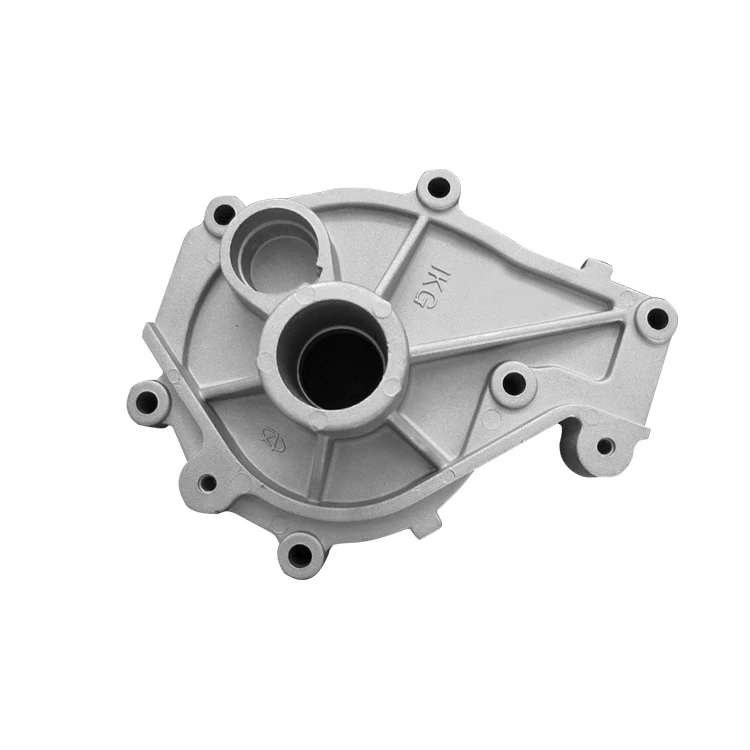
Although different casting methods exist, light weight aluminum casting stands apart as a result of its countless advantages. Among the key benefits is its lightweight nature, which substantially decreases transportation prices and energy consumption in applications. Light weight aluminum likewise exhibits superb rust resistance, making it perfect for long-lasting parts in diverse environments. The spreading process enables for elaborate designs, making it possible for producers to produce complex forms with high precision and marginal waste. In addition, light weight aluminum has superior thermal and electrical conductivity, making it suitable for a series of commercial applications. The high strength-to-weight proportion enhances the structural honesty of actors products, supplying durability without the included mass. Furthermore, light weight aluminum casting can be adapted to various methods, such as sand casting or pass away spreading, which widens its applicability across markets. Generally, these advantages setting light weight aluminum casting as a favored choice in modern-day manufacturing, adding to performance and sustainability.
Secret Applications of Light Weight Aluminum Spreading
Aluminum spreading finds considerable applications throughout various markets due to its helpful residential properties. In the automobile sector, it is commonly used for making engine blocks, transmission situations, and wheels, promoting lightweight layouts that enhance gas efficiency. The aerospace sector likewise profits from aluminum spreading, where components such as braces and housings are generated to satisfy strict weight and stamina demands.
Additionally, the electrical sector uses light weight aluminum spreading for creating housings and heat sinks, which are vital for effective thermal management in electronic tools. Precision aluminum casting. The construction industry makes use of light weight aluminum spreadings for building components, home window frames, and components, adding to both visual appeals and sturdiness
Last but not least, the durable goods industry includes light weight aluminum casting in items like kitchenware and showing off equipment, leveraging the material's stamina and rust resistance. Generally, the versatility of light weight aluminum spreading makes it a necessary procedure in meeting diverse manufacturing needs across numerous areas.
The Process of Light Weight Aluminum Spreading
Casting light weight aluminum includes a number of distinct actions that change resources right into completed elements. The process begins with melting light weight aluminum in a heater, getting to temperatures around 660 degrees Celsius. As soon as melted, the fluid light weight aluminum is poured into a mold, which takes the shape of the wanted part. Different mold and mildew types, consisting of sand, permanent, and financial investment mold and mildews, are utilized depending upon the application.
After pouring, the light weight aluminum cools and solidifies, developing a rough casting. This casting goes through a collection of ending up procedures, such as machining, to attain precise dimensions and surface quality. Quality control procedures are applied throughout to guarantee the integrity and stamina of the final product. When all procedures are total, the completed aluminum parts are all set for numerous applications, showcasing the convenience and efficiency of aluminum casting in manufacturing techniques. Each step is important in accomplishing high-grade outcomes, making this procedure necessary in producing markets.
Advancements in Aluminum Casting Technology
Recent innovations in light weight aluminum spreading modern technology have actually changed production processes considerably. Developments such as advanced casting methods, integration of smart manufacturing, and sustainability techniques are reshaping the industry. These developments not only boost performance however also address ecological worries, paving the way for an extra sustainable future in aluminum spreading.
Advanced Casting Methods
As manufacturers look for greater performance and sustainability in manufacturing, ingenious advancements in light weight aluminum spreading innovation have emerged to meet these needs. Advanced casting techniques, such as die casting, financial investment casting, and sand casting, have actually been improved to improve precision and decrease waste. Die casting enables faster production prices and tighter resistances, making it perfect for high-volume things. Investment spreading, recognized for its capacity to generate intricate geometries, enables detailed designs with remarkable surface area finishes. At the same time, sand casting stays preferred for its flexibility and cost-effectiveness, specifically in low-volume applications. These techniques not just improve the quality of light weight aluminum parts but also add to minimized power consumption, aligning with market objectives for lasting techniques in manufacturing processes.
Smart Manufacturing Combination
Exactly how can clever production integration transform aluminum casting innovation? By including innovative technologies such as the Internet of Things (IoT), expert system (AI), and information analytics, clever production boosts performance and accuracy in light weight aluminum spreading procedures. Real-time surveillance of tools and assembly line permits immediate adjustments, decreasing waste and downtime. Predictive maintenance powered by AI lessens devices failings, making certain regular top quality. In addition, information analytics can enhance casting parameters and designs, leading to far better product application and lowered cycle times. These technologies promote smooth interaction between operators and machines, cultivating a more agile production setting. Overall, clever production combination substantially boosts the abilities of aluminum spreading, advertising better results and even more responsive manufacturing methods.
Sustainability Advancements
While the light weight aluminum casting sector faces boosting stress to embrace sustainable techniques, developments are emerging that substantially minimize its environmental effect. Advanced recycling strategies now make it possible for producers to make use of as much as 95% recycled light weight aluminum, considerably lowering power consumption and waste generation. Furthermore, the integration of low-emission innovations, such as electric melting heating systems, minimizes greenhouse gas exhausts associated with standard casting techniques. In addition, the advancement of eco-friendly layers and binders changes unsafe chemicals, enhancing workplace safety and security and reducing ecological air pollution. These technologies not just align with global sustainability objectives however additionally enhance the total effectiveness and quality of light weight aluminum products. As the sector evolves, these improvements will certainly play a vital duty in fostering an extra sustainable future for aluminum spreading.
Contrasting Aluminum Casting With Other Techniques
In comparing aluminum spreading with various other manufacturing techniques, numerous crucial aspects arise. Cost stamina, performance and durability, and layout adaptability serve as crucial metrics for evaluation (Aluminum Foundry). Evaluating these elements can give understandings into the benefits and constraints of aluminum casting in various production contexts
Cost Effectiveness Analysis
Price effectiveness remains a vital factor to consider in making processes, specifically when reviewing aluminum spreading versus alternative methods. Light weight aluminum spreading frequently presents a reduced preliminary investment contrasted to techniques such as steel building or machining, which need more expensive and intricate devices. Additionally, light weight aluminum's lightweight nature can minimize transportation prices and energy intake during manufacturing. The capability to create intricate shapes with minimal waste better boosts its cost-effectiveness, as much less product is disposed of during the manufacturing process. Light weight aluminum spreading generally enables for quicker production cycles, leading to minimized labor expenses and faster turnaround times. To summarize, when comparing price performance, aluminum spreading regularly emerges as a positive option, using makers financial benefits together with premium outcome.
Strength and Toughness
Strength and resilience are crucial aspects when assessing production methods, specifically in the context of aluminum spreading. Compared to various other techniques such as plastic injection molding and steel fabrication, aluminum casting uses distinctive benefits. The inherent residential properties of aluminum, combined with the casting process, result in lightweight yet robust elements that can endure considerable anxiety and ecological variables. Unlike plastics, which might weaken over time, light weight aluminum maintains its integrity and performance under heats and stress. Additionally, while steel elements can be larger and vulnerable to deterioration, light weight aluminum withstands rusting, improving longevity. This mix of toughness and resilience makes aluminum casting a preferred selection for sectors needing reputable performance popular applications, such as aerospace and auto fields.
Style Versatility Comparison
The Future of Aluminum Casting in Production
Exactly how will innovations in technology shape the future of aluminum casting in manufacturing? The integration of automation and expert system is expected to transform aluminum spreading processes. These modern technologies can enhance accuracy and performance, minimizing waste and manufacturing costs. Additionally, the development of 3D printing strategies enables rapid prototyping and customized layouts, allowing manufacturers to respond quickly view to market needs.
Sustainability is additionally an important emphasis, with innovations targeted at minimizing power consumption and reducing environmental effect. Strategies such as die casting and investment casting are progressing to include recycled light weight aluminum, promoting a circular economic climate.
Advancements in materials scientific research might lead to the development of lighter, stronger light weight aluminum alloys that can expand the applications of light weight aluminum spreading throughout various industries. Generally, the future of light weight aluminum casting in manufacturing will likely be identified by boosted sustainability, efficiency, and versatility, positioning it as an important component of contemporary manufacturing techniques.
Often Asked Inquiries
How Does Light Weight Aluminum Casting Impact Environmental Sustainability?
Light weight aluminum spreading positively affects ecological sustainability by advertising recycling, reducing energy consumption contrasted to various other metals, and reducing waste. Its lightweight properties additionally bring about reduce emissions during transport, supporting greener methods in various industries.
What Are the Cost Effects of Light Weight Aluminum Casting?
Light weight aluminum casting frequently requires higher first expenses because of material and handling costs. However, its resilience and lightweight residential or commercial properties can yield long-term cost savings by minimizing maintenance and transportation prices, ultimately stabilizing the financial ramifications for manufacturers.
Can Light Weight Aluminum Spreading Be Recycled Efficiently?
Aluminum spreading can be reused properly, as the material keeps its buildings throughout the recycling process. This enables the manufacturing of high-grade components while reducing waste and decreasing energy usage connected with brand-new light weight aluminum manufacturing.
What Precaution Are Needed During Aluminum Casting?
Precaution during aluminum casting include using individual protective equipment like handwear covers and safety glasses, ensuring proper ventilation, maintaining equipment, and following protocols for handling liquified steel to stop burns, breathing threats, and various other possible crashes.
Just How Does Light Weight Aluminum Casting Affect Item Layout Flexibility?
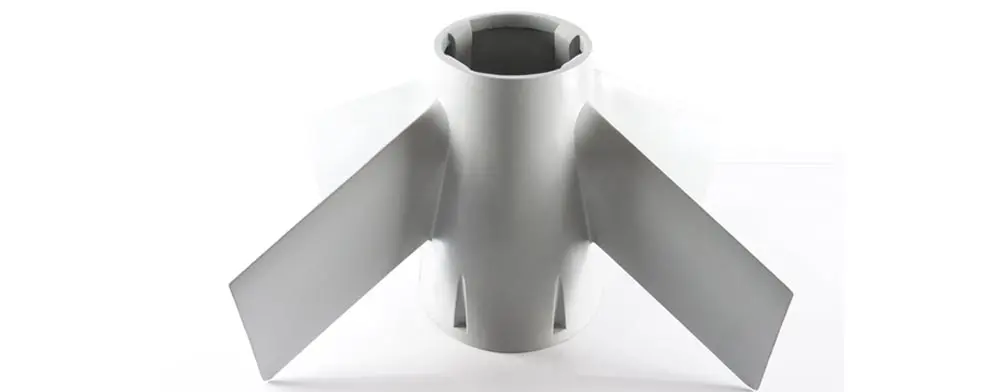
Aluminum casting enhances product design flexibility by allowing light-weight frameworks and intricate shapes. This method enables developers to explore innovative configurations, resulting in flexible applications across various markets while keeping strength and toughness in the end products.
Light weight aluminum casting great site can be adapted to different strategies, such as sand casting or die casting, which expands its applicability throughout sectors. When all procedures are full, the ended up light weight aluminum components are prepared for numerous applications, showcasing the versatility and effectiveness of light weight aluminum casting in production strategies. As producers seek higher efficiency and sustainability in manufacturing, ingenious improvements in aluminum spreading innovation have actually emerged to meet these needs. Unlike plastic injection molding, which might require considerable tooling modifications for design adjustments, aluminum spreading can accommodate alterations much more conveniently throughout the production cycle. Improvements in materials scientific research may lead to the development of lighter, stronger light weight aluminum alloys that might increase the applications of aluminum spreading across various markets.